📑 Quick Navigation
Understanding Work-Related Back Pain in Corporate Faridabad
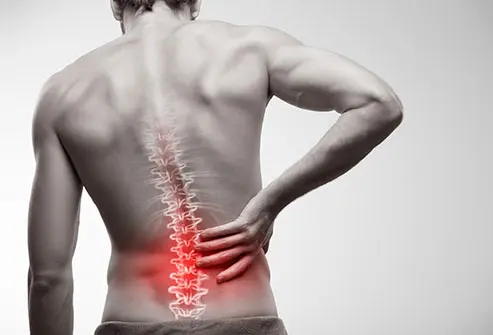
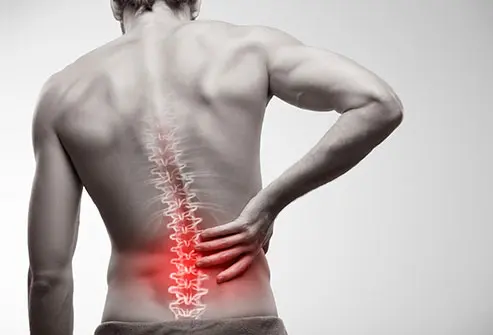
Back pain from sedentary lifestyle is the #1 occupational health complaint among corporate professionals in Faridabad, Delhi-NCR, and India. Studies show that 60-80% of office workers experience lower back pain at some point during their career.
The human spine is designed for movement and dynamic activity, not prolonged static positioning. When you sit for 8+ hours daily with poor posture, your spine, discs, and supporting muscles experience chronic stress, leading to pain, dysfunction, and long-term degenerative changes.
Why Sedentary Work Causes Back Pain
1. Increased Spinal Pressure
The lumbar spine bears significant load while sitting. Poor posture (slouching, rounded shoulders) increases this load exponentially. Intervertebral discs experience excessive pressure, leading to disc bulging and nerve irritation.
2. Muscle Weakness & Deconditioning
Prolonged sitting weakens core muscles, erector spinae, and gluteal muscles that support the spine. Without regular exercise, these muscles atrophy, reducing spinal stability and increasing injury risk.
3. Poor Circulation & Stiffness
Inactivity reduces blood flow to spinal structures, causing discs to become dehydrated and stiff. This reduced circulation also impairs healing of micro-injuries and inflammation.
4. Muscle Tension & Trigger Points
Sustained contraction of back and shoulder muscles during sitting creates muscle tension, trigger points, and muscle spasm. This tension radiates pain and restricts movement.
5. Postural Dysfunction
Chronic poor posture creates postural adaptation where muscles and ligaments shorten, bones misalign, and movement patterns become dysfunctional. Even when standing, the body maintains this harmful posture.
Common Symptoms of Work-Related Back Pain
💔 Dull Lower Back Pain
Persistent, aching pain in the lower back, typically worse during work hours
🪵 Morning Stiffness
Significant stiffness in the morning that improves as you move around
⚡ Sharp Pain with Movements
Shooting pain when bending, twisting, or lifting objects
🦵 Leg Symptoms
Pain, numbness, or tingling radiating down the leg if nerve compression exists
😔 Pain Worsens with Sitting
Pain increases after prolonged sitting and improves with movement or lying down
🦊 Difficulty Changing Positions
Stiffness and pain when transitioning between sitting, standing, and lying down
Root Causes of Sedentary-Induced Back Pain
- Poor Posture: Slouching, forward head position, rounded shoulders
- Inadequate Lumbar Support: Chairs without proper lower back support
- Improper Desk Setup: Monitor too low, keyboard and mouse poorly positioned
- Prolonged Immobility: Sitting without breaks for hours
- Weak Core Muscles: Lack of abdominal and back strength
- Tight Hip Flexors: Hip flexors shorten from prolonged sitting
- Psychological Stress: Tension and anxiety create muscle tension
- Sedentary Lifestyle: Lack of exercise and physical activity outside work
- Previous Injuries: Past back problems increase recurrence risk
Proper Workplace Ergonomics: The Foundation of Prevention
Monitor Positioning
- Height: Top of screen at eye level when looking straight ahead
- Distance: 20-24 inches (arm's length) from your face
- Angle: Slight downward tilt (10-20 degrees) for more comfortable viewing
- Adjustment: Minimize neck strain and forward head posture
Chair & Desk Setup
- Chair Height: Hips level with or slightly higher than knees
- Lumbar Support: Chair should support natural spine curve (lumbar lordosis)
- Armrests: Elbows at 90 degrees, forearms parallel to floor
- Desk Height: Keyboard and mouse at elbow height
- Seat Depth: 2-3 inches between seat edge and back of knees
Keyboard & Mouse Positioning
- Placement: Directly in front of you, not off to sides
- Height: At elbow height with wrists neutral (not bent up or down)
- Mouse: Close to keyboard, using arm and elbow to move (not just wrist)
- Ergonomic Alternatives: Consider vertical mouse or split keyboard
Treatment Options for Work-Related Back Pain
1. Physiotherapy & Manual Therapy
Evidence-based physiotherapy is the most effective treatment:
- Manual mobilization and spinal manipulation
- Soft tissue release and trigger point therapy
- Core strengthening exercises
- Postural correction and body mechanics training
- Ergonomic workplace assessment and recommendations
2. Active Rest & Activity Modification
Avoid complete bed rest (prolonged inactivity worsens pain). Instead, modify activities that aggravate pain while maintaining gentle movement. This approach promotes healing and prevents stiffness.
3. Heat & Ice Therapy
Ice: Apply for 15 minutes after activity for acute inflammation Heat: Use after 48 hours for muscle stiffness and chronic pain
4. Medications (Short-Term)
- NSAIDs like ibuprofen for pain and inflammation
- Muscle relaxants for acute muscle spasm
- Topical pain relief creams
- Avoid long-term medication dependency
Daily Exercises for Back Pain Relief & Prevention
1. Cat-Cow Stretch (Daily)
How: On hands and knees, alternate arching (cow) and rounding (cat) your spine. Move slowly for 1-2 minutes.
Benefits: Mobilizes spine, relieves stiffness, improves circulation
2. Glute Bridge (3x per week)
How: Lie on back with knees bent, lift hips toward ceiling, hold 3 seconds, repeat 15 times.
Benefits: Strengthens glutes and core, reduces lower back stress
3. Dead Bug Exercise (3x per week)
How: Lie on back with arms extended upward and legs bent at 90 degrees. Lower opposite arm and leg, alternate, 10 per side.
Benefits: Core strengthening without spinal stress
4. Child's Pose (Daily)
How: Kneel and sit back on heels with arms extended forward. Hold 30 seconds to 1 minute.
Benefits: Spinal decompression and gentle stretching
5. Hip Flexor Stretch (Daily)
How: Lunge position with back knee on ground. Push hips forward gently. Hold 30 seconds, repeat 3 times each side.
Benefits: Stretches tight hip flexors, improves posture
Comprehensive Prevention Strategies
At Work:
- Take Breaks Every 30 Minutes: Stand, stretch, walk around desk
- Change Positions Frequently: Alternate between sitting and standing
- Use Stand-Up Desk: Consider adjustable or standing desk option
- Monitor Posture Continuously: Set phone reminders to check posture
- Proper Lifting Technique: Bend knees, keep load close to body
- Ergonomic Assessment: Have workplace ergonomically assessed by specialist
Outside Work:
- Regular Exercise: 30 minutes of moderate activity 5 days per week
- Core Strengthening: Twice-weekly targeted exercises
- Flexibility Training: Daily stretching routine (10-15 minutes)
- Stress Management: Yoga, meditation, or breathing exercises
- Proper Sleep Posture: Use supportive mattress and pillow
- Maintain Healthy Weight: Excess weight increases spinal stress
- Stay Hydrated: Disc health depends on proper hydration
Expert Back Pain Treatment & Ergonomic Assessment at HealXpert
Don't let work-related back pain affect your career and quality of life. Our specialists provide personalized physiotherapy, ergonomic workplace assessment, and prevention strategies tailored to your specific job and needs.
Schedule Your Assessment Today