
📑 Quick Navigation

What is Sciatica? Understanding the Basics
Sciatica is a common pain condition that affects millions of people worldwide. Characterized by pain radiating from the lower back through the buttocks and down one or both legs, sciatica can range from mild discomfort to severe, debilitating pain that interferes with daily activities and work.
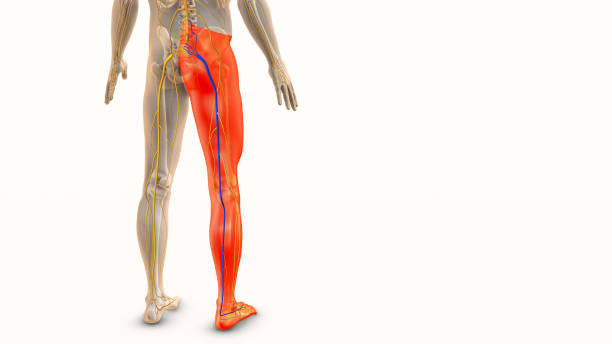
The term "sciatica" refers to pain caused by irritation or compression of the sciatic nerve — the longest nerve in the human body that runs from the lower back through the hips, buttocks, and down each leg. Despite how common it is, many people misunderstand what sciatica is and waste time with ineffective treatments.
Common Symptoms of Sciatica: What to Look For
Recognizing sciatica symptoms early is crucial for prompt treatment and faster recovery. Symptoms vary from person to person, ranging from mild to severe, and may develop gradually or appear suddenly.
💥 Sharp Pain
Sudden shooting pain in the lower back, buttocks, or legs that may feel like an electric shock
🦵 Radiating Pain
Pain that starts in the lower back and travels through the buttocks down to the thigh and leg
🤷 Numbness & Tingling
Numbness, tingling, or "pins and needles" sensation in the leg, foot, or toes
🚶 Weakness
Muscle weakness in the affected leg making it difficult to move the foot or lift the leg
😣 Worsening with Movement
Pain that increases when sitting, bending forward, coughing, or sneezing
💤 Sleep Disruption
Difficulty sleeping due to pain, often worse when lying down on the affected side
What Causes Sciatica? Common Triggers Explained
Sciatica occurs when something compresses or irritates the sciatic nerve. Understanding the underlying cause is essential for effective treatment. Here are the most common causes:
1. Herniated or Bulging Disc (Most Common)
A herniated intervertebral disc is the leading cause of sciatica. When the gel-like center of a spinal disc protrudes through the outer layer, it can press on the sciatic nerve roots, causing sharp pain and radiating symptoms down the leg.
2. Spinal Stenosis
This condition involves the narrowing of the spinal canal, which reduces the space available for the spinal cord and nerves. As spinal stenosis progresses, it can compress the sciatic nerve roots, especially when walking or standing for extended periods.
3. Piriformis Syndrome
The piriformis muscle, located in the buttocks, can irritate or compress the sciatic nerve when it becomes tight or inflamed. This is particularly common in athletes and people with prolonged sitting habits.
4. Spondylolisthesis
This occurs when a vertebra slips out of place and presses against the sciatic nerve. It can be caused by degenerative changes, trauma, or structural defects.
5. Muscle Tension & Dysfunction
Tight muscles in the lower back, buttocks, and hip region can entrap the sciatic nerve. Poor posture, muscle imbalances, and lack of flexibility contribute to this condition.
6. Trauma or Injury
Direct injury to the lower back, hip, or buttock area can cause nerve compression or inflammation leading to sciatica symptoms.
Risk Factors: Who is More Likely to Develop Sciatica?
While anyone can develop sciatica, certain factors increase your risk:
- Age (30-50 years): Degenerative disc disease becomes more common with age
- Occupation: Jobs requiring prolonged sitting, heavy lifting, or repetitive motions
- Sedentary Lifestyle: Lack of exercise and physical activity weakens core muscles
- Poor Posture: Chronic poor posture increases pressure on spinal discs and nerves
- Obesity: Extra weight increases stress on the spine and discs
- Diabetes: Can increase nerve damage risk
- Smoking: Reduces blood flow to spinal discs and tissues
- History of Back Problems: Previous back issues increase recurrence risk
How is Sciatica Diagnosed? Testing Methods
If you suspect you have sciatica, proper diagnosis is the first step toward recovery. Here's what to expect:
Clinical Examination
Your healthcare provider will perform physical tests including the straight leg raise test, where you lie on your back and your leg is slowly raised. If this reproduces your pain, it suggests sciatic nerve involvement.
Imaging Tests
- X-rays: Show bone structure and alignment
- MRI Scan: Reveals soft tissue damage, disc herniations, and nerve compression
- CT Scan: Provides detailed cross-sectional images of the spine
- EMG/NCS: Measures nerve and muscle function
Treatment Options: From Conservative to Advanced
The good news is that most sciatica cases respond well to conservative (non-surgical) treatment. Here's a comprehensive overview of available options:
Conservative Treatment (First-Line Approach)

1. Physiotherapy & Exercise
This is the most effective long-term solution for sciatica. Evidence-based physiotherapy includes:
- Nerve gliding exercises to improve neural mobility
- Spinal decompression techniques to reduce nerve compression
- Core strengthening to support the spine
- Flexibility and stretching exercises
- Postural correction and ergonomic training
- Manual therapy and soft tissue techniques
Effectiveness: Most patients experience significant relief (50-80%) within 3-5 physiotherapy sessions. Treatment typically lasts 4-8 weeks.
2. Rest & Activity Modification
While complete bed rest is not recommended (prolonged inactivity can worsen stiffness), modifying activities that worsen pain is important. Avoid prolonged sitting, heavy lifting, and repetitive bending initially.
3. Ice and Heat Therapy
Ice: Apply ice to the lower back for 15 minutes in the first 48 hours to reduce inflammation and pain.
Heat: After 48 hours, heat therapy can relax muscles and improve blood flow. Use for 15-20 minutes.
4. Medications
- NSAIDs: Over-the-counter pain relievers like ibuprofen (use short-term)
- Muscle Relaxants: For muscle-related sciatica
- Nerve Pain Medications: Gabapentin or pregabalin for neuropathic pain
- Topical Creams: Menthol or capsaicin-based rubs for localized relief
Always consult your doctor before starting any medication.
5. Epidural Steroid Injections
For persistent pain not responding to conservative treatment, epidural injections deliver anti-inflammatory medication directly to the area around the nerve. This provides temporary relief (weeks to months) and allows continued physiotherapy.
Advanced Treatment Options
6. Spinal Decompression Therapy
This non-surgical procedure uses mechanical traction to create negative pressure within the spinal disc, theoretically retracting the herniated material and reducing nerve compression.
7. Surgical Intervention
Surgery (discectomy or laminectomy) is considered only when:
- Conservative treatment has failed after 6-12 weeks
- Severe neurological deficits exist (progressive weakness, bowel/bladder issues)
- Imaging confirms significant nerve compression
- Symptoms severely impact quality of life
Success Rate: About 70-80% of patients experience pain relief after surgery, though risks exist.
Sciatica Relief Exercises: What You Can Do at Home
These evidence-based exercises can help relieve sciatica pain. Perform them gently and stop if pain worsens.
1. Piriformis Stretch
How to do it: Lie on your back with knees bent. Cross one ankle over the opposite knee and pull the bent leg toward your chest. Hold for 30 seconds, repeat 3 times per side.
Benefits: Releases tension in the piriformis muscle that may compress the sciatic nerve.
2. Hamstring Stretch
How to do it: Lie on your back with one leg bent and the other straight up. Use a towel or strap to gently pull the straight leg toward your head. Hold for 30 seconds, repeat 3 times per side.
Benefits: Tight hamstrings can contribute to sciatic nerve irritation.
3. Cat-Cow Stretch
How to do it: On hands and knees, alternate between arching and rounding your spine. Move slowly for 1-2 minutes.
Benefits: Improves spinal mobility and decompresses nerve roots.
4. Glute Bridge
How to do it: Lie on your back with knees bent and feet flat. Push through your heels to lift your hips. Hold for 2-3 seconds, lower down. Repeat 10-15 times.
Benefits: Strengthens glutes and core, taking pressure off the sciatic nerve.
5. Spinal Decompression (Child's Pose)
How to do it: Kneel and sit back on your heels with arms extended forward, forehead touching the ground. Hold for 30 seconds to 1 minute.
Benefits: Gently decompresses the spine and stretches the entire back.
Professional physiotherapy treatment for sciatica pain relief
Prevention Tips: How to Avoid Sciatica Recurrence
Once you've recovered from sciatica, preventing recurrence is crucial. Follow these evidence-based strategies:
- Maintain Good Posture: Keep your back straight whether sitting, standing, or working
- Core Strengthening: Perform regular exercises to strengthen your core muscles
- Regular Stretching: Maintain flexibility in your hips, hamstrings, and lower back
- Proper Lifting Technique: Bend at the knees, keep the load close to your body
- Take Regular Breaks: If your job involves sitting, stand and stretch every 30 minutes
- Ergonomic Setup: Ensure your desk, chair, and computer are properly positioned
- Stay Active: Regular moderate exercise strengthens muscles and improves flexibility
- Maintain Healthy Weight: Reduces stress on the spine
- Quit Smoking: Improves blood flow to spinal structures
- Sleep Position: Use proper mattress support and pillows to maintain spinal alignment
When to Seek Professional Help
While most sciatica cases resolve with conservative treatment, consult a healthcare provider if you experience:
- Severe pain that doesn't improve with rest or over-the-counter medications
- Pain lasting more than 4-6 weeks despite conservative treatment
- Progressive weakness or numbness in the affected leg
- Loss of bladder or bowel control
- Numbness in the genital area
- Severe weakness in both legs
- Pain following a traumatic injury
- Unexplained weight loss with leg pain
Watch: Understanding Sciatica - Complete Guide
Watch on YouTubeExpert Sciatica Treatment at HealXpert
Don't let sciatica pain control your life. Our specialized physiotherapists use evidence-based protocols to provide rapid relief and lasting results. Most patients experience significant improvement within 3-5 sessions.
Schedule Your Consultation TodayFrequently Asked Questions About Sciatica
Q: Can sciatica go away on its own?
A: Yes, approximately 90% of acute sciatica cases resolve within 4-6 weeks with conservative treatment. However, early intervention with physiotherapy significantly speeds up recovery and prevents recurrence.
Q: Is surgery necessary for sciatica?
A: No, surgery is rarely necessary. Only 5-10% of sciatica cases require surgical intervention. Most respond well to conservative treatment, especially physiotherapy.
Q: How long does physiotherapy take for sciatica?
A: Most patients see significant improvement within 3-5 sessions. Complete recovery typically takes 4-8 weeks of consistent treatment and home exercises.
Q: Can I exercise with sciatica?
A: Yes, but with caution. Avoid high-impact exercises and movements that worsen pain. Focus on gentle stretching, core strengthening, and low-impact activities like walking.
Q: What's the best position for sleeping with sciatica?
A: Sleep on your side with a pillow between your knees to maintain spinal alignment. Use a firm mattress and avoid sleeping on your stomach.
Conclusion: Your Path to Sciatica Relief
Sciatica is a common condition that can significantly impact your quality of life, but it's highly treatable. The key is early recognition of symptoms and prompt intervention with evidence-based treatments like physiotherapy.
Most people recover fully within weeks using conservative treatment approaches. By understanding the causes, recognizing symptoms early, and following proper treatment protocols, you can achieve lasting relief and prevent recurrence.
If you're experiencing symptoms of sciatica, don't delay seeking professional help. The specialists at HealXpert are equipped with the latest techniques and evidence-based protocols to provide you with rapid, lasting relief.