📑 Quick Navigation
What is Knee Pain & Arthritis? Understanding Joint Degeneration
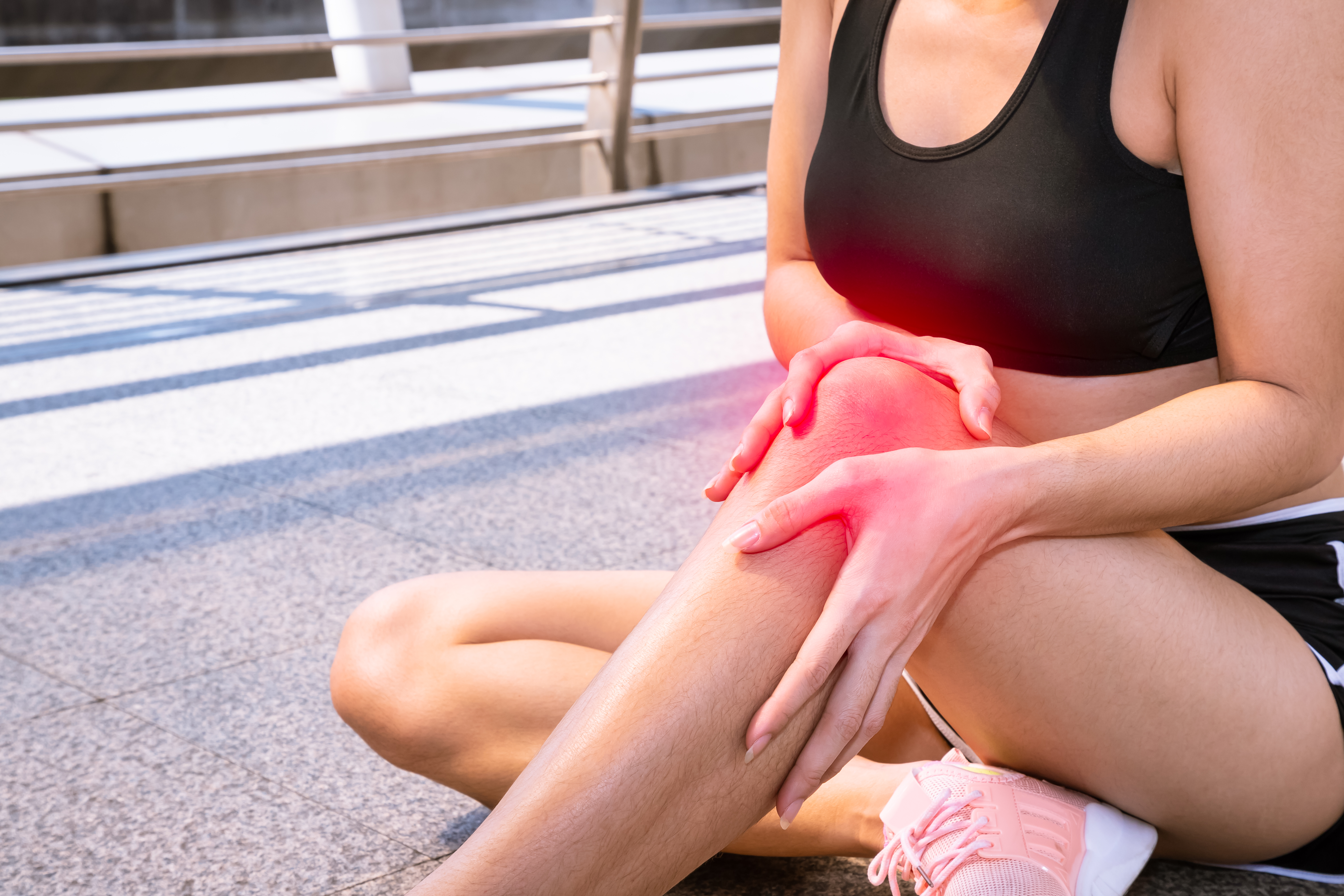
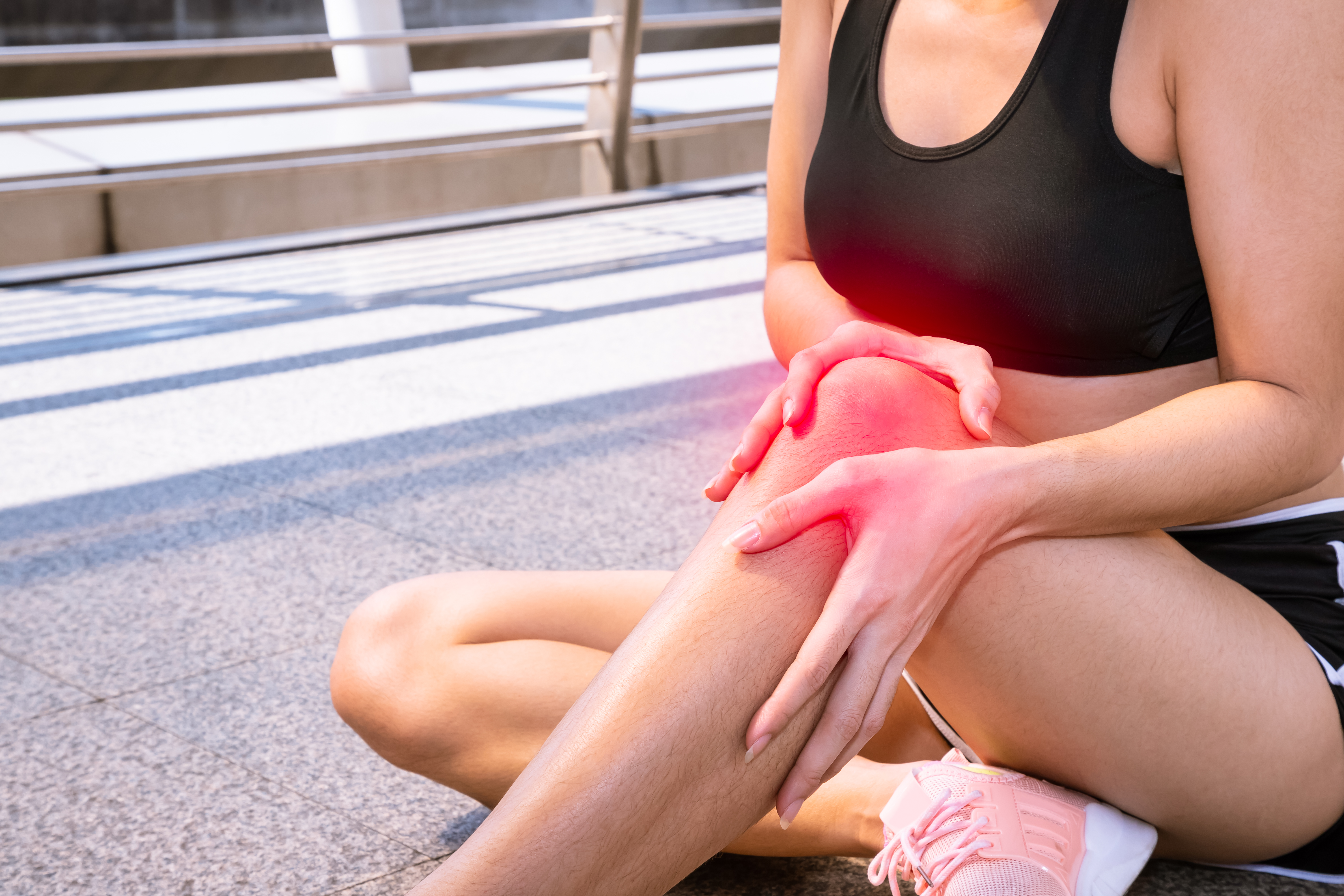
Knee pain is one of the most common complaints in Faridabad, affecting middle-aged professionals, athletes, and seniors. The knee is the body's largest weight-bearing joint, and it bears significant stress from daily activities, making it vulnerable to wear, tear, and disease.
Arthritis is inflammation of the joints, and when it affects the knee, it causes pain, stiffness, swelling, and reduced mobility. Multiple types of arthritis affect the knee, each with different causes and treatment approaches.
Types of Arthritis Affecting the Knee
1. Osteoarthritis (OA) - Most Common
Osteoarthritis is degenerative joint disease where cartilage breaks down over time. In the knee, this causes bone-on-bone friction, pain, and stiffness. It develops gradually and is most common in people over 50, though can occur earlier in individuals with previous injuries or predisposing factors.
2. Rheumatoid Arthritis (RA)
RA is an autoimmune condition where the body's immune system attacks joint linings, causing inflammation, pain, and joint damage. It typically affects both knees symmetrically and is more common in women. Early diagnosis and treatment are crucial to prevent joint damage.
3. Post-Traumatic Arthritis
This develops after knee injuries such as fractures, ligament tears (ACL/MCL), or meniscus damage. The injury initiates a process leading to cartilage breakdown and early-onset arthritis.
4. Gout
Gout is caused by uric acid crystal buildup in the joint, causing sudden severe pain, swelling, and warmth. While typically affecting the big toe, it can affect the knee.
Common Symptoms of Knee Arthritis & Pain
💔 Joint Pain
Dull, aching pain in the knee that worsens with activity and improves with rest
🦵 Stiffness
Morning stiffness or stiffness after prolonged immobility that improves with movement
💧 Swelling
Knee swelling due to inflammation, especially after activities or prolonged standing
🔊 Creaking/Grinding
Audible clicking, popping, or grinding sensation when moving the knee (crepitus)
🚶 Reduced Mobility
Decreased range of motion and difficulty bending or straightening the knee fully
⚡ Instability
Feeling that the knee might give way or buckle during activity
What Causes Knee Pain & Arthritis?
Cartilage Degeneration
Cartilage is the smooth tissue covering bone ends in joints. Over time, cartilage breaks down due to repetitive stress, injury, or inflammatory conditions. Once cartilage is damaged, it cannot regenerate, leading to bone-on-bone friction and pain.
Joint Inflammation
Inflammatory conditions (autoimmune diseases, metabolic disorders) cause the immune system to attack joint linings, triggering inflammation, pain, and progressive joint damage.
Muscle Weakness & Imbalance
Weak quadriceps, hamstrings, or hip muscles increase stress on the knee joint. Muscle imbalances (one side stronger than the other) cause improper knee tracking and accelerated cartilage wear.
Previous Injuries
Past knee injuries (ACL tear, meniscus damage, fractures) increase risk of post-traumatic arthritis. Even if the injury heals, the joint may never be 100% normal and degenerates faster.
Obesity & Weight
Extra body weight increases compressive forces on weight-bearing joints like the knee. Each pound of weight gain increases knee joint stress by 3-6 pounds during walking.
Risk Factors for Knee Arthritis
- Age: Increases after 50 years old
- Gender: Women more likely than men to develop OA
- Obesity: Excess weight increases joint stress
- Previous Injury: Past knee injuries increase risk significantly
- Occupational Stress: Repetitive knee activities (construction, nursing)
- Sports Activities: High-impact sports increase wear and tear
- Muscle Weakness: Poor quadriceps and hip strength
- Misalignment: Bowlegs or knock-knees increase abnormal joint loading
- Family History: Genetic predisposition to arthritis
- Sedentary Lifestyle: Inactivity weakens supporting muscles
How is Knee Arthritis Diagnosed?
Clinical Examination
Your physiotherapist will assess knee range of motion, strength, stability tests (Lachman, drawer test), and evaluate for swelling, warmth, and pain during specific movements.
Imaging Studies
- X-rays: Show joint space narrowing, bone spurs, cartilage loss
- MRI: Reveals soft tissue damage (meniscus, ligaments, cartilage)
- Ultrasound: Evaluates soft tissue inflammation and fluid
Blood Tests
For rheumatoid arthritis, blood tests detect inflammatory markers (RF, anti-CCP) and help confirm autoimmune arthritis.
Comprehensive Treatment Options for Knee Pain
Conservative (Non-Surgical) Treatment
1. Physiotherapy & Exercise
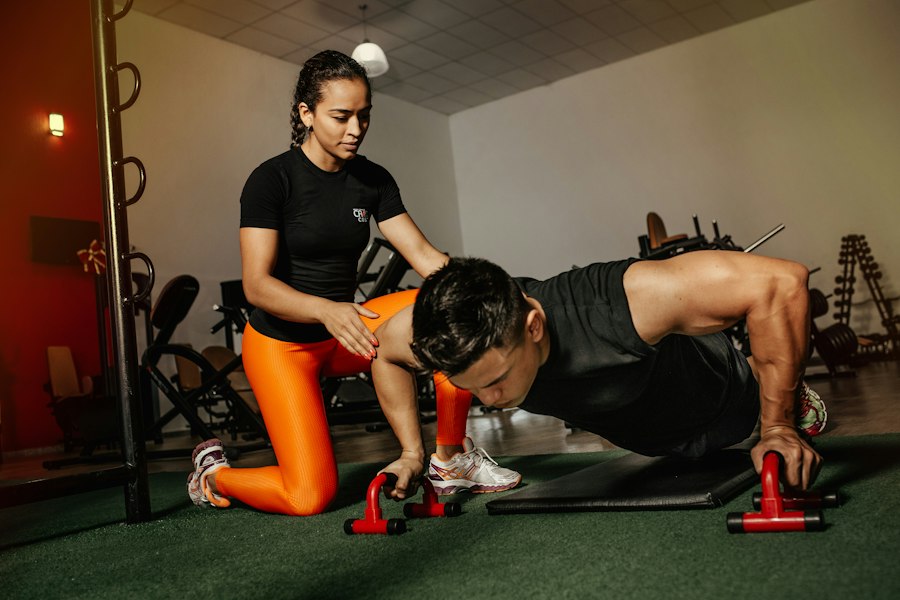
Physiotherapy is the most effective long-term treatment for knee pain and arthritis:
- Quadriceps and hip strengthening exercises
- Range of motion and flexibility exercises
- Weight-bearing exercises to maintain function
- Manual therapy and soft tissue mobilization
- Proprioceptive training to improve stability
- Functional training for daily activities
2. Weight Management
Losing even 5-10% of body weight can significantly reduce knee pain and slow arthritis progression. Combined with exercise, weight loss is highly effective.
3. Medications
- NSAIDs: Anti-inflammatory pain relievers (short-term use)
- Topical Creams: Menthol or capsaicin-based rubs
- Intra-articular Injections: Steroid or hyaluronic acid injections for inflammation
- Disease-Modifying Drugs: For rheumatoid arthritis to slow disease progression
4. Assistive Devices
Knee braces, crutches, or walkers reduce stress on the knee joint. Proper footwear with arch support also helps distribute weight evenly.
5. Heat & Cold Therapy
Ice: Reduces acute swelling and inflammation (15 minutes post-activity) Heat: Soothes stiffness and improves blood flow (20 minutes for chronic pain)
Advanced Treatment Options
6. Joint Injections
- Steroid Injections: Provide temporary inflammation relief (weeks to months)
- Hyaluronic Acid: Lubricates the joint and reduces friction
- Platelet-Rich Plasma (PRP): Promotes cartilage healing
7. Arthroscopic Surgery
Minimally invasive procedure to remove loose cartilage fragments or repair meniscus tears. Recommended when conservative treatment fails.
8. Knee Replacement
Total knee replacement is considered only after conservative treatment fails and severe arthritis significantly impacts quality of life. Success rate is approximately 90%.
Therapeutic Exercises for Knee Pain Relief
1. Quadriceps Strengthening
Straight Leg Raises: Lying down, tighten thigh muscle and straighten leg, hold 5 seconds, repeat 15 times each leg.
Benefits: Strengthens quadriceps to support knee joint
2. Hamstring Stretch
How: Lie on back, pull one knee toward chest, hold 30 seconds, repeat 3 times each side.
Benefits: Improves flexibility and reduces hamstring tension
3. Glute Bridges
How: Lie on back with knees bent, lift hips toward ceiling, hold 3 seconds, repeat 15 times.
Benefits: Strengthens glutes, reducing knee stress
4. Wall Squats
How: Back against wall, slide down into quarter squat (knees at 45 degrees), hold 5-10 seconds, repeat 10 times.
Benefits: Functional strengthening without high impact
5. Low-Impact Walking
How: Walking on flat, soft surfaces (grass, treadmill) for 20-30 minutes daily.
Benefits: Improves joint flexibility and cardiovascular health
Prevention & Long-Term Management Strategies
- Maintain Healthy Weight: Reduces joint stress significantly
- Regular Exercise: Keep muscles strong and joints mobile
- Proper Footwear: Supportive shoes reduce knee strain
- Avoid High-Impact Activities: Minimize running, jumping on hard surfaces
- Use Proper Technique: Correct lifting and exercise form prevents injury
- Warm Up & Cool Down: Always prepare joints before activity
- Take Breaks: Avoid prolonged standing or repetitive activities
- Stay Active: Regular motion keeps joints healthy and flexible
- Manage Inflammation: Anti-inflammatory diet (omega-3s, colorful vegetables)
- Wear Support: Consider knee braces for high-activity days
Expert Knee Pain & Arthritis Treatment at HealXpert
Don't let knee pain limit your activities and quality of life. Our orthopedic specialists provide personalized treatment combining physiotherapy, targeted exercises, and pain management for long-term relief and improved mobility.
Schedule Your Consultation